Period Costs Definition And Examples: All You Need To Know

Learn how to create clear, concise, and enforceable expense guidelines. If you go with the latter approach, you may want to keep your original list as a reminder. That way, you can review it if you can’t recall which expenses you included in that group.
- It is important to make provision for fixed periodic costs when you develop your household budget.
- When you identify these costs, you can create a realistic budget that accounts for them.
- By using the proper approach, you can incorporate them into your monthly budget, allowing you to remain on top of the costs without having to resort to debt.
- These costs don’t follow a neat monthly schedule, making it tough to maintain accurate cash flow projections and avoid surprise budget overruns.
- When they come up, it can throw even the perfect budget out the window.
Period Cost Examples
When you reduce your fixed expenses, you are decreasing your monthly cost of living. Rather than track spending periodic expenses manually, teams can improve their workflows by using an automated expense tracking system. It’s particularly useful for growing teams who need a way to track and categorize expenses at scale. When implemented, they can easily exclude recurring expenses to isolate and analyze periodic costs. The first step is to examine the company’s past financial records to determine the types of periodic expenses they typically incur, their frequency, and amount.
- Add all of your fixed periodic payments that will come due during the year and divide the sum by 12.
- I didn’t know there were 3 types of expenses in a budget and I didn’t care.
- For example, you may need to change the oil in your car based on reaching a certain amount of mileage.
- Designating a savings account for this purpose may help to organize the process.
Make a List of Your Debt Payments, Excluding Your Mortgage
Though they might not hit your bank account every month, their impact on your overall budget can be significant. A biannual car maintenance or an annual insurance premium are good examples in this context. However, remember, it’s these small recurrent costs that often cumulatively clock up a substantial amount. Therefore, every tiny contribution margin expense matters when it comes to identifying your periodic costs.
- That way, you can adjust for price changes, ensuring your budget stays on target.
- Maintaining an accurate budget is critical to running a successful business of any size.
- See if you can carpool with co-workers a few times a week, or split driving duties with neighbors when getting your kids to school.
- Typical fixed expenses include rent or mortgage payments, car loan payments, insurance premiums, and student loans.
- First, you can average out how much you usually spend on variable expenses each month.
- Think of recurring and periodic expenses as your personal overhead.
How to budget for variable expenses

Unpredictable periodic expenses—like equipment repairs, seasonal inventory purchases, or quarterly software renewals—can wreak havoc on your budget. These costs don’t follow a neat monthly schedule, making it tough to maintain accurate cash flow projections and avoid surprise budget overruns. Fixed expenses are monthly expenses that remain stable and predictable regardless of business activity or output. Examples include rent or mortgage payments, car payments and car insurance premiums, and loan repayments. Fixed expenses are consistent and predictable amounts, and often paid monthly.
Reduced financial stress and better planning
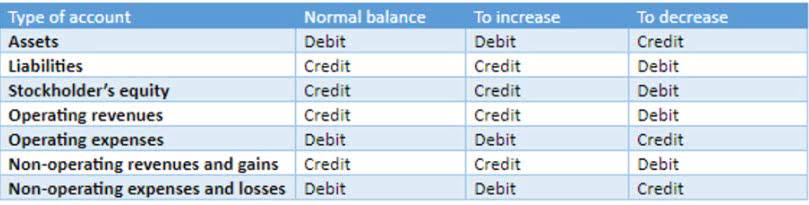
Fixed expenses are costs that do not fluctuate with usage or consumption. You pay the same amount Retail Accounting each month, regardless of how much you use a service or resource. This predictability aids in planning your budget, as you can anticipate these payments without surprises.

Lower your housing payment
Let’s look at a few examples of period costs to illustrate the concept. By breaking these barriers down, you can get a better grip on where your money should go monthly. Getting and spending money sounds fun (and hey, a lot of the time, it is), but it’s stressful too. As much as we’d love to splurge on LuLulemon, the fact is you have to be wise about spending; otherwise, you risk tanking your credit score.
Saving on Variable Expenses
Recognizing typical periodic expenses can help businesses prepare budgets and effectively manage cash flow. Here are the eight most common periodic expenses businesses encounter. A periodic expense is a cost that appears irregularly rather than monthly. Examples include tuition, car registration, and annual membership fees. It could be easy to forget periodic expenses when creating your quarterly or annual budget, due to their irregularity. But when they do pop up, you might be left scrambling to fill the hole blown into your budget.